Tower Hill sits at the eastern edge of the City of London, close to the Tower of London, the Thames and the routes towards Aldgate. It combines a major visitor landmark with an established commercial setting. Offices, hotels, historic buildings and transport facilities share a neighbourhood whose character changes noticeably between the river and the streets further north.
For businesses, Tower Hill can provide access to City networks while retaining a strong relationship with the waterfront and London’s historic landscape. This guide considers that combination through the area’s built form, everyday activity and connections.
Tower Hill’s identity within London
The Tower of London gives the area an internationally recognisable reference point. Its presence shapes views, pedestrian routes and visitor activity. The business neighbourhood extends beyond the landmark, however, into streets with a more conventional office and hotel environment.
This overlap is central to Tower Hill’s identity. A team may be close to the City’s commercial activity without occupying the same setting as the central tower cluster. The exact position determines whether the workplace feels primarily connected to offices, tourism or the riverside.
Business culture and professional atmosphere
The eastern City’s insurance and professional networks are relevant to many nearby occupiers. Tower Hill can serve as a base for meetings within that wider district, while hotels and transport connections support visiting clients. Businesses are not limited to those sectors, but the surrounding commercial geography is useful context.
The atmosphere varies between buildings. A substantial serviced office, a smaller converted property and a workplace near St Katharine Docks may each encourage different routines. The area name alone says little about reception quality, meeting facilities or the level of privacy indoors.
Architectural character and building form
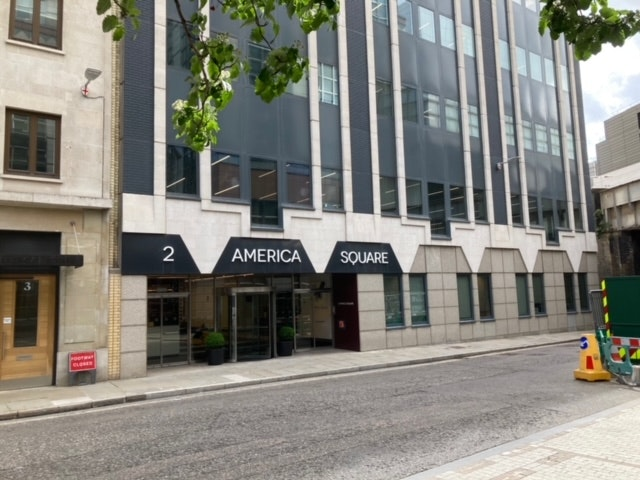
Historic structures sit beside twentieth-century offices and later commercial development. Some streets have large blocks and broad road frontages; others introduce a smaller scale or a waterfront setting. The contrast with the Tower itself is a defining visual feature.
Within office buildings, layout and outlook can vary considerably. A landmark nearby does not guarantee a view of it. Teams should assess daylight, acoustics, floor arrangement and the relationship between the reception and working areas alongside the wider architectural setting.
Day-to-day working environment
Tower Hill receives commuters and visitors throughout the day. The station approaches and routes towards the Tower can be particularly active, while major roads contribute traffic noise and crossings. Quieter pockets exist, but they should be identified through the actual location rather than assumed.
For staff, the mix of shops, cafés and hospitality provides everyday options within the neighbourhood. Visitor demand can influence the feel of particular venues. An office team may prefer different streets for a routine lunch from those used during a sightseeing visit.
Relationship with surrounding districts
Aldgate lies to the north and north-east, while the City extends west towards Fenchurch Street and the insurance district. St Katharine Docks introduces a waterside setting to the east of the Tower. Tower Bridge provides a connection towards the south bank of the Thames.
These relationships broaden the range of meeting places and walking routes. They also mean offices described as Tower Hill can occupy quite different contexts. A building near the City’s commercial streets may feel different from one oriented towards the docks or river.
Public realm and riverside space
The waterfront offers a change of scene from the office streets. Routes around the Tower and towards the docks provide open views and places to walk, although visitor activity is part of the experience. This is an urban riverside environment rather than an extensive public park.
The practical route matters. Busy roads, crossings and the location of building entrances can affect access to the river. Private waterside terraces and managed spaces should be distinguished from freely accessible public routes when evaluating everyday outdoor options.
Cultural and historic presence
The Tower of London is the area’s principal historic institution. Its scale and long history give Tower Hill a cultural identity beyond its offices. The surrounding streets also retain traces of the City’s older fabric within a much-changed commercial landscape.
For businesses, this setting can help orient visitors and provide a distinctive backdrop to the working day. It also attracts substantial public attention. The landmark’s visibility and the practical demands of a visitor destination are both part of the local context.
Hospitality and meeting context
Hotels, restaurants and cafés support business use alongside tourism. The streets towards the City offer one set of options, while the docks and riverside provide another. Teams can choose a setting according to whether a meeting calls for convenience, informality or a longer lunch.
Popular visitor locations may not provide the quietest conditions for detailed work. Dedicated meeting rooms remain valuable for presentations and confidential discussions. Businesses receiving clients regularly should assess reliable facilities rather than rely only on the number of venues nearby.
Accessibility and movement
Tower Hill Underground station is served by the Circle and District lines. Tower Gateway provides a separate DLR connection, while Fenchurch Street is an important nearby National Rail reference point. These are distinct stations and entrances, so the final walk depends on the service being used.
The wider City can often be reached on foot, but road layouts affect short routes. Transport for London’s journey planner helps compare journeys from actual starting points and identify the appropriate station approach.
Who Tower Hill aligns with
Tower Hill can suit businesses seeking access to the eastern City with a recognisable historic and riverside setting. It may also work for teams receiving visitors who benefit from nearby hotels and several transport options.
The trade-offs depend on position. A workplace beside a major visitor route has different conditions from one on an office-focused side street. Teams prioritising quiet or a particular commuting line should assess those details directly.
Tower Hill in context
Tower Hill’s identity comes from the meeting of the City, a major historic landmark and the Thames. Its business appeal lies in how a specific workplace connects with those elements, rather than the landmark association alone.
For a practical next step, you can view office space available around Tower Hill and compare the individual settings.