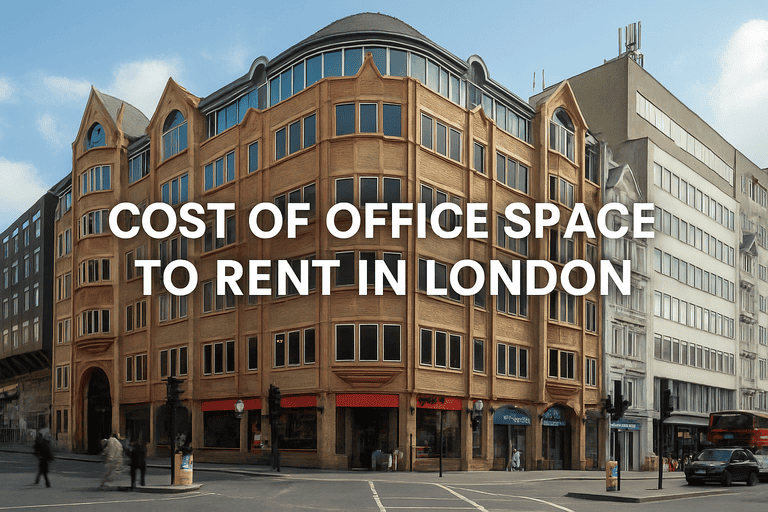
The cost of office space to rent in London varies widely depending on location, building quality and the type of workspace a company chooses. London remains one of the strongest business centres in the world, attracting global companies, growing start ups and established professional firms. Because the market is diverse and constantly evolving, tenants need clear information to understand how much they can expect to pay, what determines price, and which office type best suits their needs.
This comprehensive guide provides a detailed breakdown of office costs across London. It covers traditional leases priced per square foot, managed offices with simple monthly packages, serviced offices and coworking spaces priced per desk, and flexible hot desk memberships. It also includes an area by area comparison, explains the main pricing factors and sets out what tenants should review before committing to a workspace.
Quick answer: flexible office space in Central London commonly costs between £700 and £1,200 per desk per month, while City Fringe locations are typically between £400 and £750 per desk per month. Traditional office leases are usually quoted annually per square foot and require additional budgeting for business rates, service charges, utilities, fit out and other occupancy costs.
How London Office Pricing Works
Office pricing in London is based on two main structures:
1. Cost per square foot per year
Used for traditional leased offices, private self contained offices and some managed offices.
This structure is preferred by larger companies and long term occupiers.
2. Cost per desk per month
Used for serviced offices, co-working membership and hot desks.
This structure is popular with small teams, start ups and flexible businesses.
Both pricing systems exist because different companies need different levels of flexibility, privacy, branding and control. Understanding how each option works helps companies select the most cost effective solution for their team.
Average Cost of Office Space in London
Cost per square foot (traditional leases)
- Prime West End: £95 to £140 per square foot
- City of London: £80 to £110 per square foot
- Midtown: £70 to £95 per square foot
- Shoreditch and City Fringe: £65 to £85 per square foot
- Canary Wharf: £55 to £75 per square foot
- Paddington: £70 to £95 per square foot
- Kensington and Chelsea: £75 to £105 per square foot
- Hammersmith: £45 to £70 per square foot
- Outer London: £35 to £55 per square foot
Grade B offices are usually 15 to 25 percent lower than Grade A.
Cost per desk per month (flexible space)
- Central London: £700 to £1200 per desk
- City Fringe: £400 to £750 per desk
- Outer London: £250 to £450 per desk
These figures change depending on demand, availability, building quality and specification.
Typical serviced-office budgets by team size
The examples below show indicative monthly budgets for a private serviced office. They are calculated from the broad price ranges above and should be used as a starting point rather than a quotation. The final price depends on the precise building, room size, contract length, amenities and availability.
| Team size | Central London | City Fringe | Outer London |
|---|---|---|---|
| 4 people | £2,800 to £4,800 per month | £1,600 to £3,000 per month | £1,000 to £1,800 per month |
| 6 people | £4,200 to £7,200 per month | £2,400 to £4,500 per month | £1,500 to £2,700 per month |
| 10 people | £7,000 to £12,000 per month | £4,000 to £7,500 per month | £2,500 to £4,500 per month |
| 20 people | £14,000 to £24,000 per month | £8,000 to £15,000 per month | £5,000 to £9,000 per month |
For a direct area comparison, see what a £5,000 monthly budget can secure in Mayfair compared with Soho.
Types of Office Space in London
Below is a complete breakdown of every major workspace type and how the pricing works for each.
Traditional Leased Offices
Traditional leased offices provide long term control and are priced per square foot per year. Tenants take responsibility for the interior of the space and have full autonomy to create a bespoke environment.
Costs include
- Rent per square foot
- Service charge
- Business rates
- Utilities
- Insurance
- Office cleaning
- Fit out
- Deposits
- Dilapidations at lease end
Who this suits
- Established companies
- Firms needing complete privacy
- Companies with strong brand identity requirements
- Businesses staying in London for three to ten years
Advantages
- Full control
- Long term occupation
- Strong identity
- Potentially lower cost per person than serviced space
Considerations
- Higher upfront cost
- Fit out responsibility
- Longer commitments
Managed Offices
Managed offices offer a private space with one simple monthly fee. The office is designed for the tenant, usually with meeting rooms, furniture and branding options included. Pricing is similar to leased space once converted to a per square foot basis, but without the upfront investment.
Costs include
- One monthly bill
- Fit out included
- Internet
- Cleaning
- Utilities
- Management
Who this suits
- Growing teams
- Companies wanting privacy but with easier budgeting
- Firms needing flexibility without long leases
Advantages
- No upfront fit out
- Predictable costs
- Private secure space
Serviced Offices
Serviced offices offer ready to use spaces available on flexible monthly agreements. Pricing is per desk per month and includes furniture, utilities, meeting rooms, cleaning and building support.
Typical cost
- £700 to £1200 per desk in central areas
- £400 to £750 per desk in fringe areas
- £250 to £450 per desk in outer London
Who this suits
- Start ups
- Project teams
- Small to medium sized businesses
- Companies wanting immediate occupation
Advantages
- Instant move in
- One monthly fee
- Offices of all sizes available
Coworking Spaces
Coworking spaces provide shared working environments with communal areas, lounges and meeting rooms. Pricing is per desk per month.
Typical cost
- £250 to £450 for basic coworking
- £400 to £700 for premium coworking in central London
Who this suits
- Freelancers
- Start ups
- Hybrid teams
- Remote workers
Advantages
- Good community environment
- Access to events
- No long commitments
Hot Desks
Hot desk memberships offer access to shared desk space on a first come basis.
Typical cost
- £150 to £350 per month depending on location and included amenities
Who this suits
- Solo workers
- Remote employees
- People needing occasional workspace
Location Based Cost Breakdown
Below is the most accurate district by district breakdown based on current London market levels.
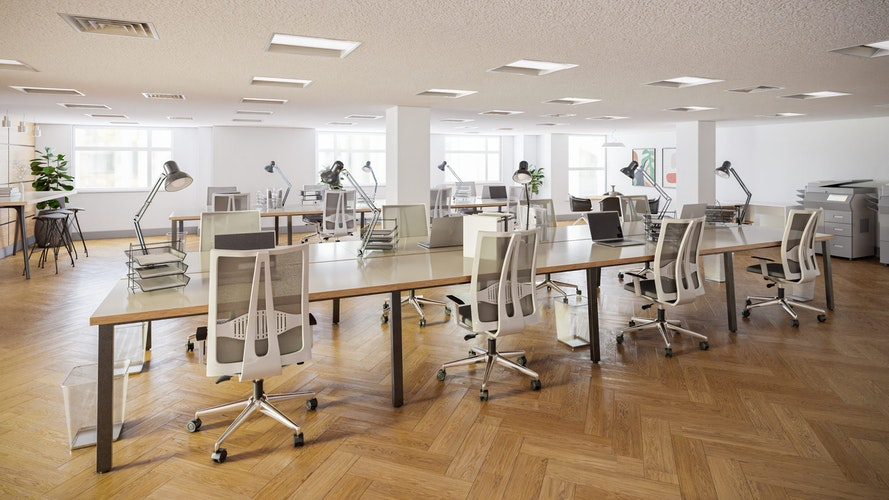
Clerkenwell and Farringdon
A design focused district with strong creative industries.
- Grade A: £70 to £93
- Grade B: £55 to £75
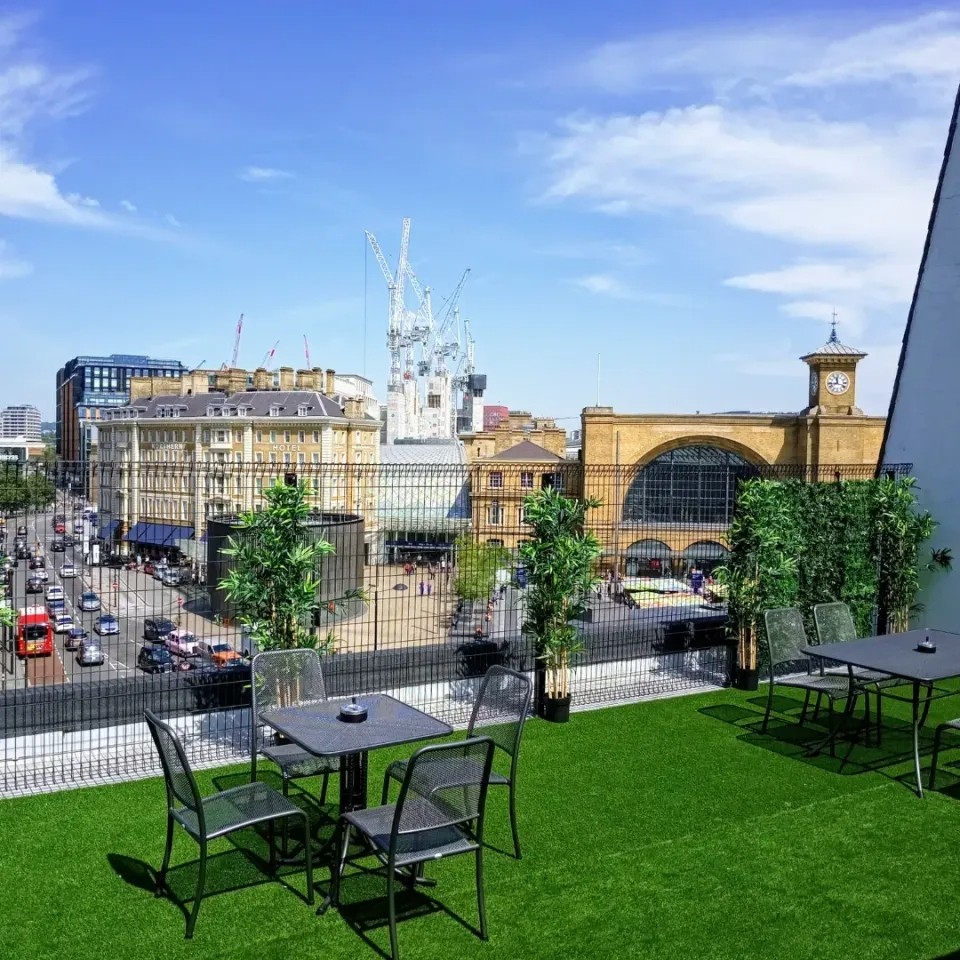
Euston and Kings Cross
Well connected, modern and attractive to large occupiers.
- Grade A: £65 to £88
- Grade B: £55 to £75
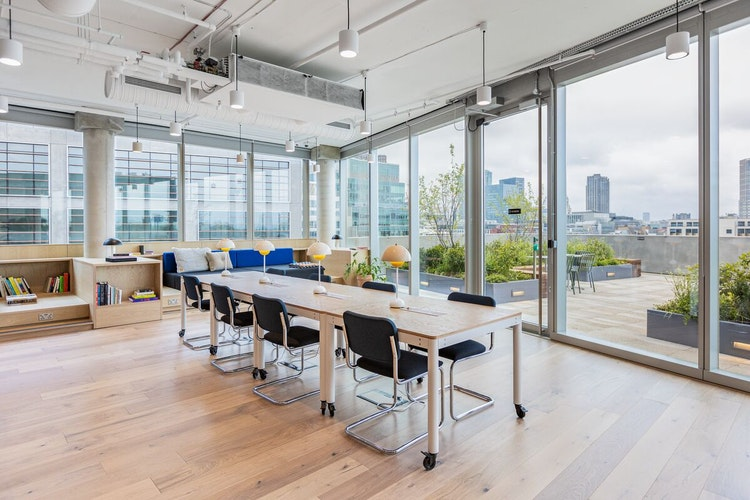
Old Street and Shoreditch
Creative, technology driven and popular with design firms.
- Grade A: £65 to £75
- Grade B: £55 to £70
Camden
Characterful offices with a strong local identity.
- Grade A: £60 to £68
- Grade B: £40 to £50
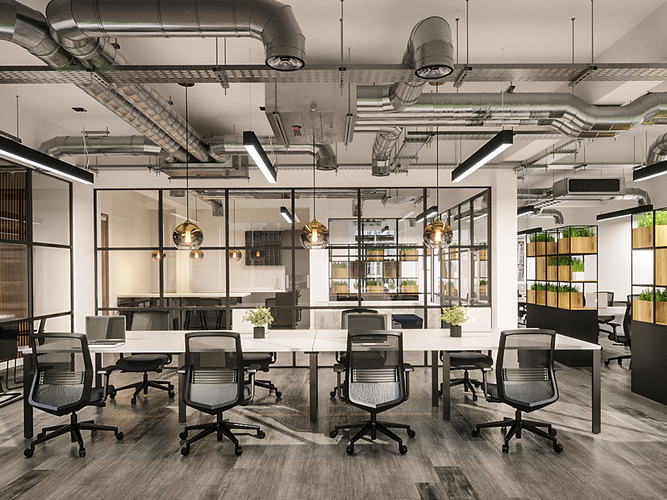
Aldgate and Whitechapel
Strong value with modern towers and new developments.
- Grade A: £53 to £58
- Grade B: £35 to £45
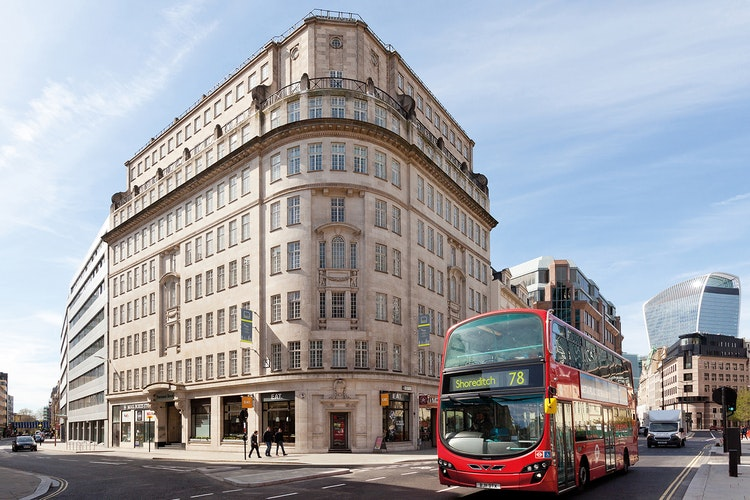
City of London
The financial centre with high specification towers.
- Grade A: £80 to £110
- Grade B: £55 to £75
Mayfair and St Jamess
Prestige offices with exceptional presentation.
- Grade A: £110 to £140
- Grade B: £75 to £95
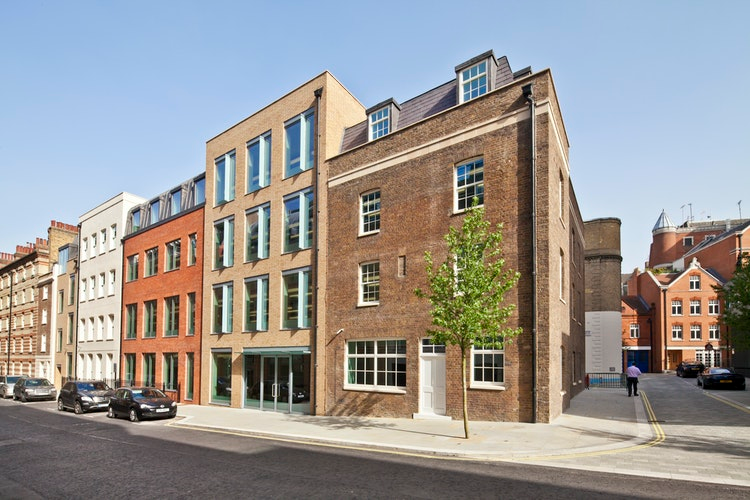
Soho and Fitzrovia
Creative, media and boutique office environments.
- Grade A: £85 to £110
- Grade B: £55 to £75
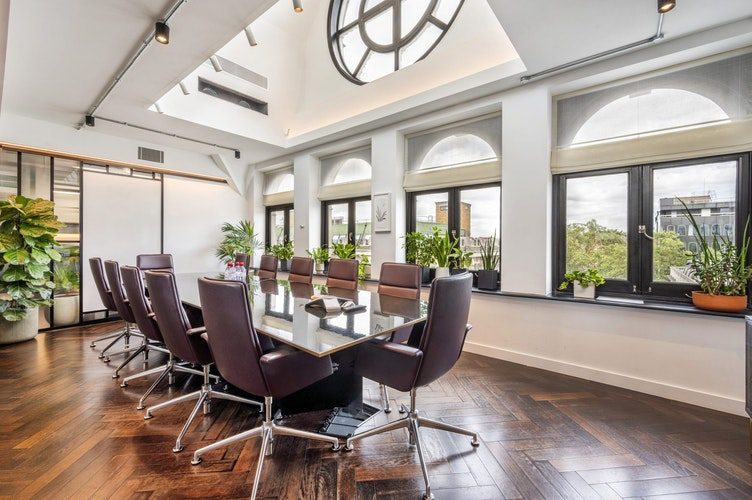
Paddington
Modern offices with excellent transport links.
- Grade A: £70 to £95
- Grade B: £55 to £70
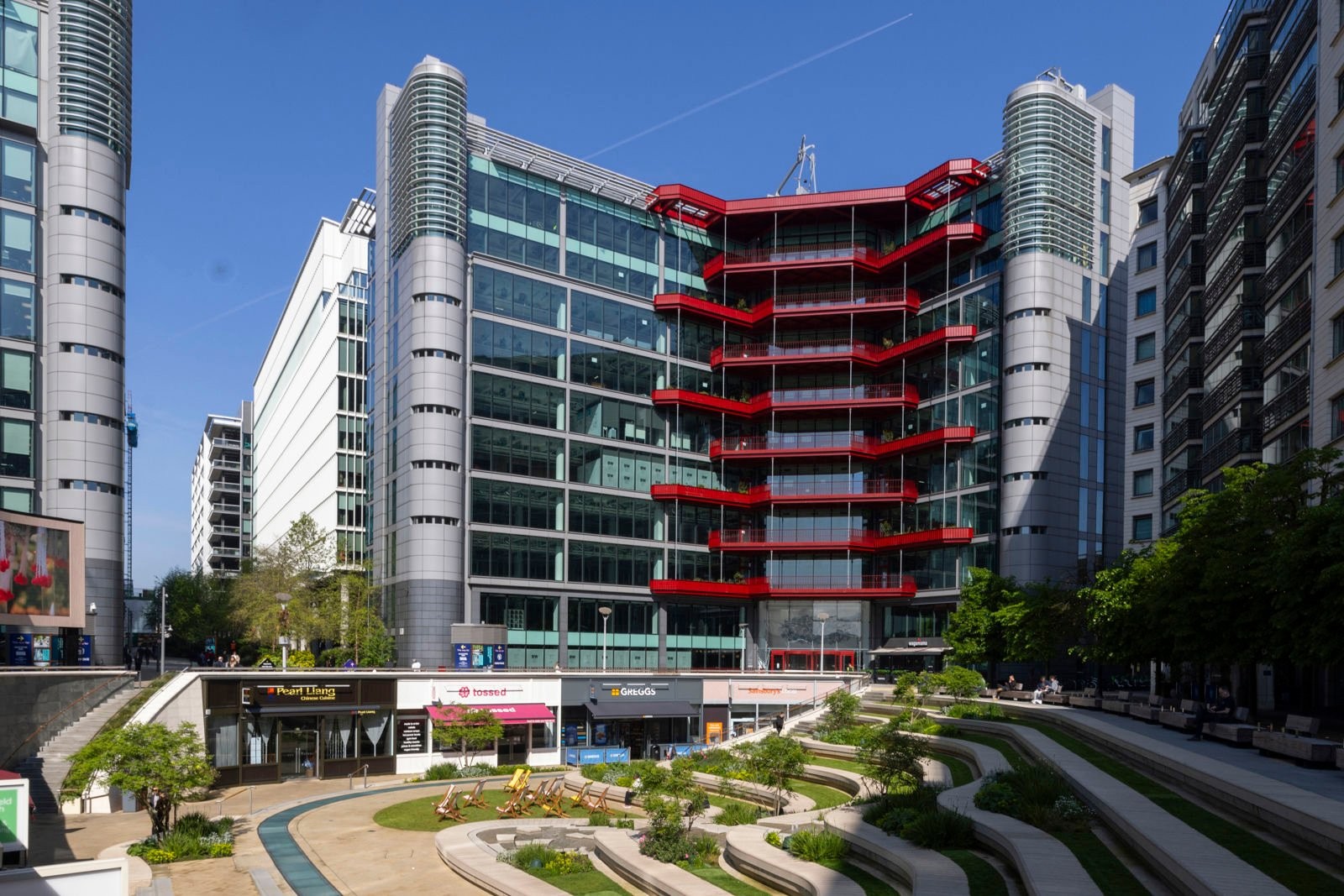
Canary Wharf
High quality space with large floorplates and strong value.
- Grade A: £55 to £75
- Grade B: £35 to £55
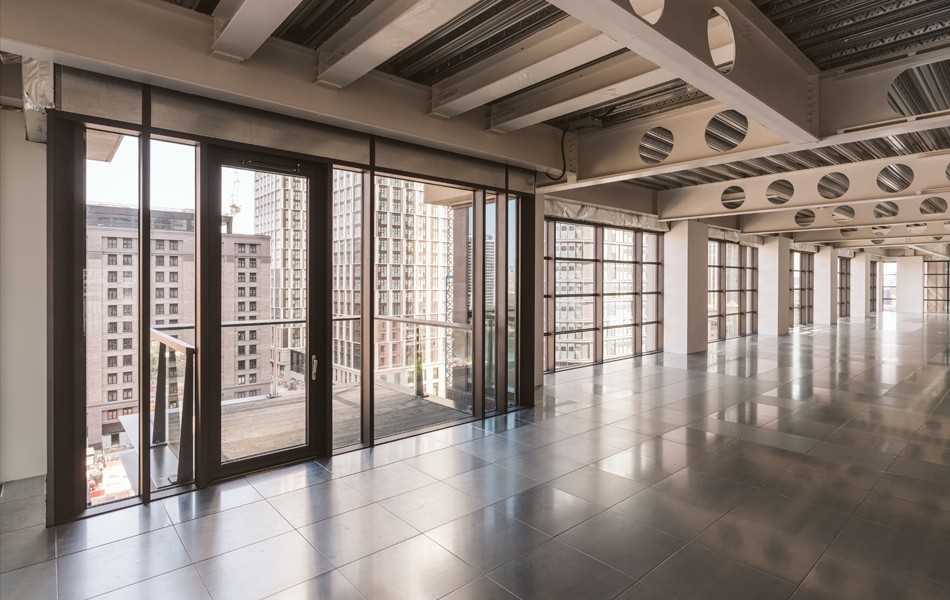
Kensington and Chelsea
Boutique townhouse offices and premium spaces.
- Grade A: £75 to £105
- Grade B: £50 to £65
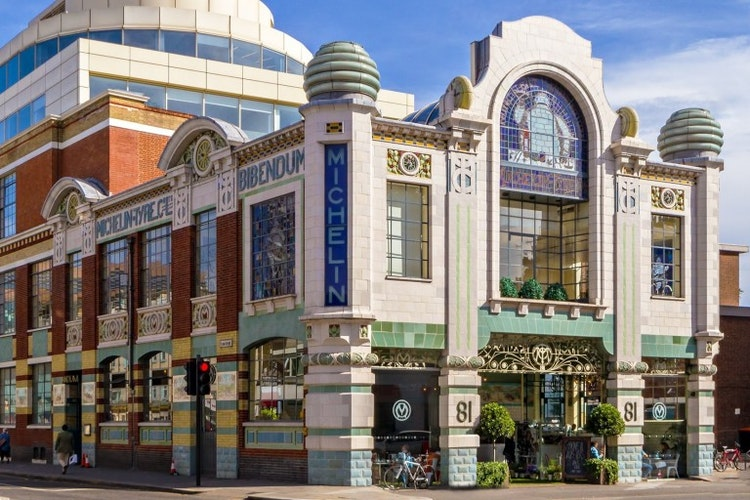
Hammersmith
Major business district with strong value for money.
- Grade A: £45 to £70
- Grade B: £30 to £45
Key Factors That Influence Office Costs
Location
Central districts with stronger prestige and transport links have higher pricing. Fringe districts offer better value.
Building Grade
Grade A buildings cost more due to modern design, energy efficiency and quality of services.
Size
Larger offices often have lower cost per square foot.
Fit Out
Fully fitted suites save upfront cost. Unfitted spaces require investment.
Amenities
Gyms, lounges, bike storage, meeting rooms, roof terraces and breakout areas increase rent.
Contract Length
Longer leases can secure rent free periods or landlord contributions.
Floor Level
Higher floors with better views can cost more.
Market Conditions
Demand, supply and economic confidence all influence pricing.
How to Estimate the True Monthly Cost
Tenants should calculate the full cost including:
- Rent
- Service charge
- Business rates
- Utilities
- Cleaning
- Internet
- Maintenance
- Fit out (if required)
- Meeting room usage
- Storage
For a leased office, compare the annual rent, service charge and business rates on a per-square-foot basis, then add utilities, insurance, cleaning, maintenance and the annualised cost of fit out. Divide the total annual occupancy cost by 12 to estimate the true monthly commitment. For serviced and managed offices, check exactly which services are included in the monthly fee and whether meeting rooms, internet, printing or additional access create extra charges.
This like-for-like calculation provides a clearer comparison between office types and locations. The cheapest headline rent is not always the lowest total-cost option once fit out, rates and operational expenses are included.
What Tenants Should Review Before Renting
- Total monthly cost
- Natural light
- Air conditioning
- Noise levels
- Access control
- Meeting room availability
- Transport links
- Commute patterns
- Opportunities to expand
- Internal layout and efficiency
Understanding these elements helps avoid unexpected issues after move in.
Ways to Reduce Office Costs in London
- Choose fringe areas with strong transport links
- Select fitted offices to avoid fit out investment
- Use managed offices for clear monthly cost
- Sign longer commitments for incentives
- Reduce meeting room dependency
- Use efficient floor layouts
- Consider coworking or hot desk solutions for hybrid teams
Final Words.
London offers a wide range of workspace options with costs that vary by location, building grade and office format. Traditional leases provide stability and control. Managed offices offer privacy with predictable monthly costs. Serviced offices support quick move in for teams of all sizes. Coworking and hot desks provide flexible entry points for individuals and smaller teams.
Understanding the price ranges and cost structure helps businesses choose the right space for their budget and long term plans.
City Hub Offices can help tenants compare suitable offices across London and select the most efficient workspace for their needs.
Read our guide on how to reduce office rental costs in London, or request a tailored office shortlist based on your team size, preferred areas and monthly budget.