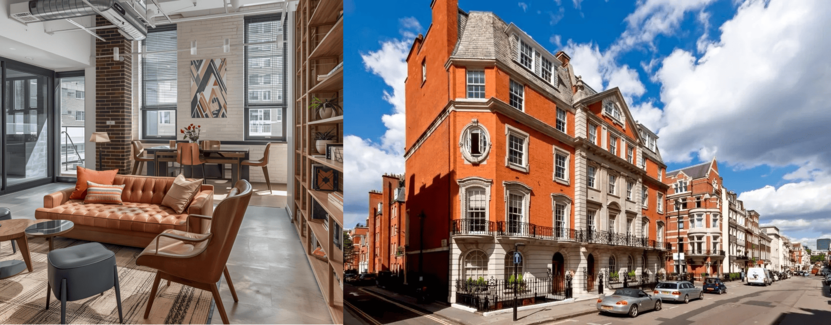
In today’s fast changing business world, future proofing is no longer a choice but a necessity. Technology, workforce behaviour, and economic patterns are shifting faster than ever, forcing companies to think strategically about every element of their operation. One of the most critical yet often overlooked factors in business resilience is the workspace. The location, design, and flexibility of an office can directly influence productivity, talent retention, and long term growth.
For businesses that aim to combine prestige with adaptability, Mayfair flexible offices stand out as one of the best options available. Located in the heart of London, Mayfair offers the unique advantage of a world class address while supporting the evolving needs of modern organisations. As we approach 2026, several workplace trends are reshaping how and where people work, and understanding these changes will be essential for businesses looking to stay competitive.
The Meaning of Future Proofing in Business
Future proofing means preparing a business to remain relevant and effective even as the environment changes. It requires anticipation, planning, and flexibility. From a workspace perspective, future proofing involves creating or choosing environments that can adapt to evolving demands rather than becoming outdated.
A future proof business has:
- The flexibility to scale up or down as needed
- Access to technology that supports hybrid and digital working
- A structure that attracts top talent by offering comfort, convenience, and wellbeing
- Operational resilience that reduces financial and logistical risk
In this context, flexible offices in Mayfair provide an effective foundation for businesses that want to thrive beyond 2026.
Why Choose Mayfair for Flexible Offices
Mayfair is one of the most prestigious business locations in the world. It combines a rich heritage with a reputation for quality, exclusivity, and influence. For many brands, having a Mayfair address conveys credibility, sophistication, and trust. However, traditional leases in this area can be restrictive and costly. Flexible office options solve this problem by providing access to premium space without the long term financial commitment.
Prime Location Without the Burden
Mayfair is ideally located near Bond Street, Oxford Circus, and Green Park stations, connecting seamlessly to London’s major business hubs. A flexible office here allows businesses to operate from a highly desirable area without being tied to a traditional lease. Companies gain the advantage of proximity to clients, investors, and professional services while keeping their operational model lean and adaptive.
Cost Efficient Scalability
Traditional offices require long contracts, large deposits, and high fit out costs. Flexible offices remove these obstacles. Businesses can rent exactly what they need, expand or contract quickly, and avoid the delays and costs associated with relocation. This scalability is crucial for companies that expect to grow, pivot, or change team sizes over the next few years.
Plug and Play Convenience
Flexible offices are fully equipped with everything needed to start working immediately. From high speed internet to furnished meeting rooms and cleaning services, every essential is included. This allows teams to focus entirely on their business goals instead of managing maintenance, utilities, or IT systems.
Enhanced Amenities and Professional Image
Modern flexible offices in Mayfair feature luxury interiors, on site staff, wellness zones, and event spaces designed to reflect a premium image. For client facing businesses, this creates a strong first impression and reinforces brand prestige. Employees benefit from comfort and convenience, which in turn supports retention and productivity.
Protection Against Market Uncertainty
The London office market is evolving, and fixed long term leases can quickly become liabilities if economic conditions shift. Flexible office agreements allow companies to remain agile. Businesses can relocate, resize, or even adopt hybrid structures with minimal disruption.
The Emerging Trends That Will Shape 2026
Understanding the trends driving change in the office sector helps businesses prepare for what is next. By 2026, several key themes will dominate how companies approach workspace decisions.
Hybrid Working Becomes Standard
The hybrid model, which blends remote and office work, has become the new standard. Employers are no longer forcing staff into offices five days a week, and employees value the freedom to choose where they work best. This means offices must serve a new purpose: collaboration, creativity, and connection.
Flexible offices are ideal for hybrid teams. Companies can rent smaller private suites for regular use while using shared areas for occasional gatherings or meetings. This flexibility keeps costs low and ensures the space matches actual usage.
Smarter Workspaces Powered by Technology
Technology will define the office of the future. Smart sensors, automation, and data tracking systems are already helping operators monitor occupancy, adjust lighting and temperature, and improve efficiency. In 2026, these innovations will become standard, offering better control over costs and sustainability.
Businesses operating from data driven flexible offices will gain insights into how space is used, which areas are underutilised, and how resources can be optimised. This information leads to improved productivity and reduced waste.
Focus on Wellness and Human Experience
Employees expect more than a desk and a chair. They want a workplace that supports their wellbeing. Natural light, fresh air, comfortable furniture, and quiet spaces are no longer luxuries but expectations. Biophilic design, which integrates plants and natural materials, improves mental health and creativity.
Mayfair flexible offices are already embracing these trends by offering wellness areas, meditation rooms, standing desks, and access to fitness facilities. These features make employees feel valued, which enhances engagement and performance.
Sustainability and ESG Integration
Environmental and social responsibility are at the core of business strategy heading into 2026. Companies are being evaluated not only on profit but also on how they contribute to sustainability goals. Offices must therefore demonstrate efficiency in energy consumption, waste management, and building materials.
Flexible offices naturally align with sustainability goals because they promote shared resources and reduce duplication. Businesses can operate in energy efficient buildings without bearing the full cost of retrofitting or maintenance.
Experience Driven Work Environments
The future office will be more than a place to work; it will be an experience. From curated community events to networking lounges and social areas, the modern office will serve as a platform for connection and innovation. This approach is especially valuable in areas like Mayfair, where reputation and visibility are key business assets.
Flexible office providers increasingly organise events, talks, and wellness sessions to build community and enhance collaboration. These shared experiences add intangible value beyond physical workspace.
Modular Design and Adaptability
Rigid office layouts are being replaced by modular systems that can be easily reconfigured. Businesses that rebrand, expand, or reorganise their teams can adjust layouts without major disruption. This flexibility ensures the office evolves alongside the company.
Mayfair flexible offices already lead this trend by offering adaptable suites, movable partitions, and modular meeting pods. This adaptability gives tenants control and freedom to design the workspace that fits their culture and goals.
Using Mayfair Flexible Offices as a Strategic Asset
Your choice of office should not just be a matter of convenience but a deliberate strategy aligned with your long term vision. Here are key ways to use flexible offices to future proof your business.
Align Space with Culture and Vision
Every business has unique needs. Some require client facing spaces, others prioritise privacy or creativity. Before choosing an office, define how your workspace should reflect your brand and culture. Mayfair’s diverse flexible office offerings allow you to choose between boutique studios, modern coworking spaces, or executive suites that match your image.
Prioritise Technology and Connectivity
In 2026, digital infrastructure will be as critical as physical location. Choose flexible offices that provide strong connectivity, cyber secure networks, and digital access systems. Look for providers that offer cloud integration, booking apps, and data insights to manage your space efficiently.
Negotiate Flexibility in Agreements
One of the major advantages of flexible offices is customisable terms. Businesses can negotiate short licences, renewal options, or scaling rights to expand when necessary. These arrangements provide financial control and ensure that your office remains aligned with your business’s pace of growth.
Personalise the Brand Experience
A flexible office should not feel generic. Choose an operator that allows brand personalisation. Many spaces in Mayfair permit custom signage, décor adjustments, and private entrances. These features enhance professionalism and ensure clients associate the environment with your brand identity.
Use Data to Drive Efficiency
Track and analyse how your team uses the office. Data on desk occupancy, meeting room bookings, and visitor flow helps reduce underutilisation and informs future decisions. Businesses that embrace data driven workspace management can save significantly on operating costs while maintaining employee satisfaction.
Integrate a Hub and Spoke Model
A growing number of organisations are adopting a hub and spoke approach. A central hub in Mayfair can serve as the flagship office, supported by smaller satellite spaces across London or other cities. This model reduces commuting stress and provides flexibility for distributed teams while maintaining a strong central presence.
Build Resilience Through Contingency Planning
Future proofing means preparing for uncertainty. Choose flexible offices with strong backup systems, secure IT infrastructure, and continuity plans. Ensure the provider can offer temporary expansion or relocation within its network if disruption occurs.
Key Benefits of Mayfair Flexible Offices
- Prestige and Visibility – Operating from one of London’s most exclusive districts strengthens brand reputation.
- Reduced Risk – Short term agreements and all inclusive pricing lower exposure to long term market shifts.
- Speed and Simplicity – Move in immediately with minimal setup.
- Employee Retention – High quality amenities and wellness features improve satisfaction and loyalty.
- Sustainability – Shared resources and modern energy systems reduce environmental impact.
- Community and Networking – Access to events and shared lounges encourages collaboration.
- Scalability – Expand or reduce space as required without costly commitments.
Common Mistakes to Avoid
While flexible offices provide many advantages, certain mistakes can reduce their value. Be aware of the following pitfalls:
- Choosing a provider based only on price rather than quality or infrastructure
- Ignoring the importance of data transparency and utilisation metrics
- Accepting inflexible renewal terms that lead to cost escalation
- Overlooking the impact of design and wellness on team productivity
- Failing to integrate office strategy into wider business planning
Illustrative Examples
A Technology Startup
A growing software company relocates from shared coworking space to a flexible office in Mayfair to attract investors and high profile clients. The team starts with a ten person suite and expands to twenty within a year. Thanks to the short licence terms, the move requires no long lease negotiation. The Mayfair address boosts credibility and helps secure new contracts.
A Boutique Consultancy
A consulting firm focused on private clients chooses a flexible office that includes luxury meeting rooms and event space. The operator provides concierge services and on site support, allowing the firm to maintain a premium client experience. Costs remain predictable while the environment matches the company’s brand tone.
A Creative Agency
A design agency adopts a hybrid model using Mayfair as its creative hub. Employees rotate through the office while others work remotely. The space features modular desks, breakout zones, and an internal studio for client presentations. The arrangement balances collaboration with cost efficiency.
What to Expect in 2026
By 2026, London’s office market will be more dynamic and competitive than ever. Businesses will demand agility, and landlords will respond by offering increasingly flexible options. Data integration, wellness standards, and sustainability credentials will be key differentiators.
In Mayfair, flexible offices will represent the premium segment of this evolution. They will combine historical charm with advanced infrastructure and personalised service. For companies focused on innovation, client trust, and employee engagement, these spaces will serve as the perfect foundation.
Steps to Future Proof Your Workspace
- Assess current and future needs – Evaluate team size, working style, and growth forecasts.
- Set a clear budget – Include occupancy costs, amenities, and expected expansion.
- Research providers – Compare flexible office operators in Mayfair by quality, terms, and technology.
- Visit multiple sites – Assess design, natural light, layout, and accessibility.
- Negotiate adaptability – Secure rights to scale, renew, or relocate easily.
- Integrate technology – Choose spaces with strong connectivity and smart systems.
- Monitor performance – Use feedback and data to continually improve utilisation.
Final Thoughts
The future of work is already here, and flexibility is its foundation. To remain competitive in 2026 and beyond, businesses must align their physical environment with modern realities: hybrid models, digital tools, wellness priorities, and sustainability.
Mayfair flexible offices provide a rare opportunity to blend prestige with practicality. They allow organisations to operate from one of London’s most distinguished areas without the constraints of traditional leasing. More importantly, they offer an environment designed for evolution, a space that grows, adapts, and innovates alongside your business.
Future proofing is about preparation, not prediction. Companies that act now to align their workspace strategy with tomorrow’s trends will gain the agility and resilience to succeed in any market. Whether you are an ambitious startup, a growing consultancy, or an established firm ready to modernise, Mayfair flexible offices represent the smartest step toward a secure and sustainable business future.
If you are considering flexible offices in Mayfair, City Hub Offices can help you find the ideal workspace that matches your business goals, budget, and growth plans. With extensive knowledge of London’s prime office market and access to a wide range of serviced and managed options, City Hub Offices makes it simple to secure a professional address in one of the capital’s most prestigious districts. Whether you need a private suite, a shared workspace, or a fully equipped managed office, our team will guide you through every step, ensuring you find a space that enhances your brand and supports future growth. Contact City Hub Offices today to discuss your requirements and discover how we can help you position your business for success in 2026 and beyond.