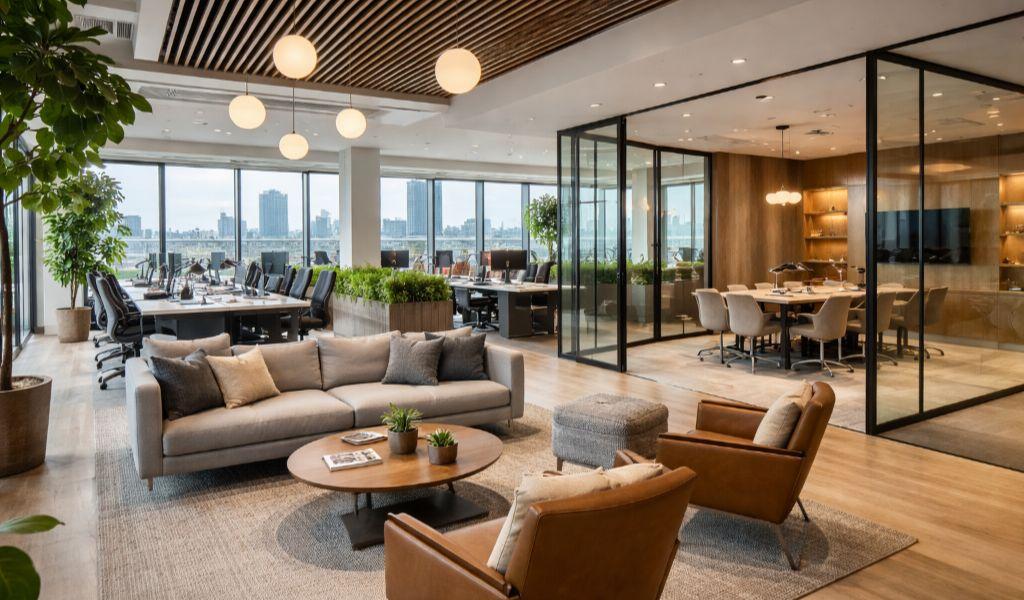
London’s office market has changed dramatically over the past few years. Hybrid work, rising fit out costs, and the demand for flexibility have forced businesses to rethink how they occupy office space. While serviced offices and coworking spaces initially dominated the flexible workspace market, a different model is now gaining significant momentum across Central London: managed office space.
Many companies now view managed offices as the most balanced solution between traditional leases and serviced offices. As a result, landlords, developers, and operators across London are increasingly converting buildings and floors into managed workspace to meet this growing demand.
This shift is quietly reshaping the flexible office sector.
What Is a Managed Office?
A managed office is a private office space that is fully designed, fitted, and maintained by the landlord or workspace provider, but customised for a specific company.
Unlike serviced offices where businesses rent individual desks or small suites within a shared environment, managed offices typically offer an entire private floor or self contained space tailored to a single occupier.
Companies gain a dedicated workspace while avoiding the large upfront investment usually required for a traditional lease.
Typical features of managed office space include:
• Fully fitted workspace
• Custom branding and layout options
• Meeting rooms and collaboration areas
• IT infrastructure and high speed connectivity
• Cleaning and facilities management
• Flexible lease terms
The result is a workspace that feels like a private headquarters but with far less operational burden.
Why Managed Offices Are Growing So Quickly
The rapid growth of managed workspace in London is not accidental. It is driven by several structural changes in how businesses operate and how landlords are adapting to new demand.
1. Companies Want Flexibility Without Coworking
Many businesses want flexible terms but do not want a coworking environment.
Serviced offices often involve shared kitchens, lounges, and reception areas with other companies. For startups this can work well, but many established businesses prefer a more private and controlled environment.
Managed offices provide flexibility while maintaining a fully dedicated workspace.
Companies can sign agreements ranging from one to five years rather than committing to the ten or fifteen year leases that were common in the past.
2. Fit Out Costs Have Become Very Expensive
Creating a traditional office space in London can cost between £80 and £150 per square foot depending on specification.
For many companies this level of capital expenditure is no longer attractive, especially when workforce size may change due to hybrid work policies.
Managed offices remove that burden because the landlord funds and delivers the entire fit out.
Businesses simply move in and start operating immediately.
3. Landlords Need Faster Leasing Solutions
From the landlord perspective, managed offices help reduce vacancy risk.
In the past, landlords relied on long term leases to secure income. However many companies are no longer willing to sign lengthy commitments.
Managed workspace allows landlords to attract tenants faster while offering terms that align with modern business needs.
This model is particularly popular in areas such as:
• Soho
• Fitzrovia
• Mayfair
• Clerkenwell
• Paddington
• King’s Cross
Buildings in these districts are increasingly offering entire floors as managed workspace rather than waiting for traditional long term tenants.
The Difference Between Managed and Serviced Offices
Although both options fall under the flexible workspace category, they serve different types of businesses.
Serviced Offices
Serviced offices typically involve renting individual desks or smaller suites inside a shared environment. These spaces usually include communal facilities and are designed for maximum flexibility.
Typical characteristics include:
• Short contracts
• Shared kitchens and breakout areas
• Reception services
• Coworking spaces nearby
Serviced offices are particularly attractive to startups, freelancers, and small teams.
Managed Offices
Managed offices provide a much more customised and private solution.
Characteristics often include:
• Entire private floor or self contained space
• Custom office layout and branding
• Dedicated meeting rooms and breakout areas
• Flexible lease terms
• Fully managed services
This model appeals strongly to medium sized businesses that want privacy while maintaining flexibility.
Which Companies Use Managed Offices?
Managed workspace is especially popular among companies with teams ranging from 20 to 150 people.
These organisations often need:
• A private office environment
• Space for meetings and collaboration
• Flexibility to scale up or down
• Minimal operational responsibilities
Common sectors choosing managed offices in London include:
• Technology companies
• Marketing and creative agencies
• Financial firms
• Legal practices
• Media companies
For these businesses, managed workspace provides a professional headquarters without the complexity of managing a traditional lease.
Why Central London Is Driving the Trend
Central London remains one of the most competitive office markets in the world. Prime office space in areas such as Mayfair and Soho can command annual rents exceeding £120 per square foot.
Because of these high costs, companies want office solutions that maximise efficiency and minimise risk.
Managed offices help achieve this by combining flexible terms with high quality workspace.
In many cases companies can occupy premium buildings without making the large upfront investment required for traditional leases.
This approach is particularly appealing for firms navigating uncertain economic conditions or changing workforce sizes.
How Managed Offices Are Changing Office Design
The rise of managed workspace has also influenced how offices are designed.
Instead of rows of permanent desks, modern office layouts increasingly focus on collaboration and team interaction.
Typical managed office layouts now include:
• Open collaboration areas
• Meeting and presentation rooms
• Phone booths for private calls
• Breakout spaces
• Lounge style working areas
This reflects the growing reality that employees often come to the office primarily for meetings, teamwork, and social interaction rather than individual desk work.
The Future of the Flexible Office Market
The flexible office sector in London was originally dominated by coworking operators. However the market is now evolving into a more diverse ecosystem.
Today the flexible workspace landscape includes:
• Serviced offices
• Coworking spaces
• Managed offices
• Short term private suites
Among these options, managed offices are becoming one of the fastest growing segments because they provide the best balance between flexibility and privacy.
Many landlords are now redesigning buildings specifically to support this model.
Rather than waiting for a single long term tenant, entire floors are being pre fitted as managed workspace ready for companies to move in quickly.
What Businesses Should Look for in a Managed Office
When evaluating managed office space in London, companies should consider several key factors.
These include:
• Lease flexibility and expansion options
• Quality of building infrastructure
• Access to transport connections
• Meeting and collaboration facilities
• Technology and connectivity infrastructure
Location also remains a major factor. Areas such as Soho, Fitzrovia, and Mayfair remain extremely attractive because they combine business prestige with strong amenities and transport links.
A Quiet Shift That Is Reshaping London Offices
The growth of managed offices is not always obvious in headlines, but it is quietly transforming how companies occupy workspace across London.
Businesses increasingly want flexibility, privacy, and professionally designed offices without long term commitments or large upfront costs.
Managed workspace delivers exactly that.
As hybrid work continues to influence corporate real estate strategies, this model is likely to become an even more important part of the London office market.
For many organisations searching for modern workspace in Central London, managed offices are rapidly becoming the preferred solution.
Key Takeaways: Managed Offices in London
Managed office space is becoming one of the fastest growing workspace solutions in London because it offers flexibility, privacy, and professionally fitted offices without the long commitments of traditional leases.
Key points to understand:
• Managed offices provide fully fitted private workspace customised for a single company.
• Lease terms are typically more flexible, often ranging from one to five years rather than long traditional leases.
• Landlords increasingly offer managed floors to attract companies that want ready to move workspace.
• Fit out costs are avoided, as the landlord usually delivers the design and build.
• Demand is strongest in Central London locations such as Soho, Fitzrovia, Mayfair, Clerkenwell and Paddington.
For businesses that want flexibility without the shared environment of coworking spaces, managed offices have become an increasingly popular solution across London’s office market.
Looking for Managed Office Space in London?
Businesses searching for managed offices across Central London, including locations such as Soho, Mayfair, Fitzrovia and Paddington, can contact us for information about current workspace availability.