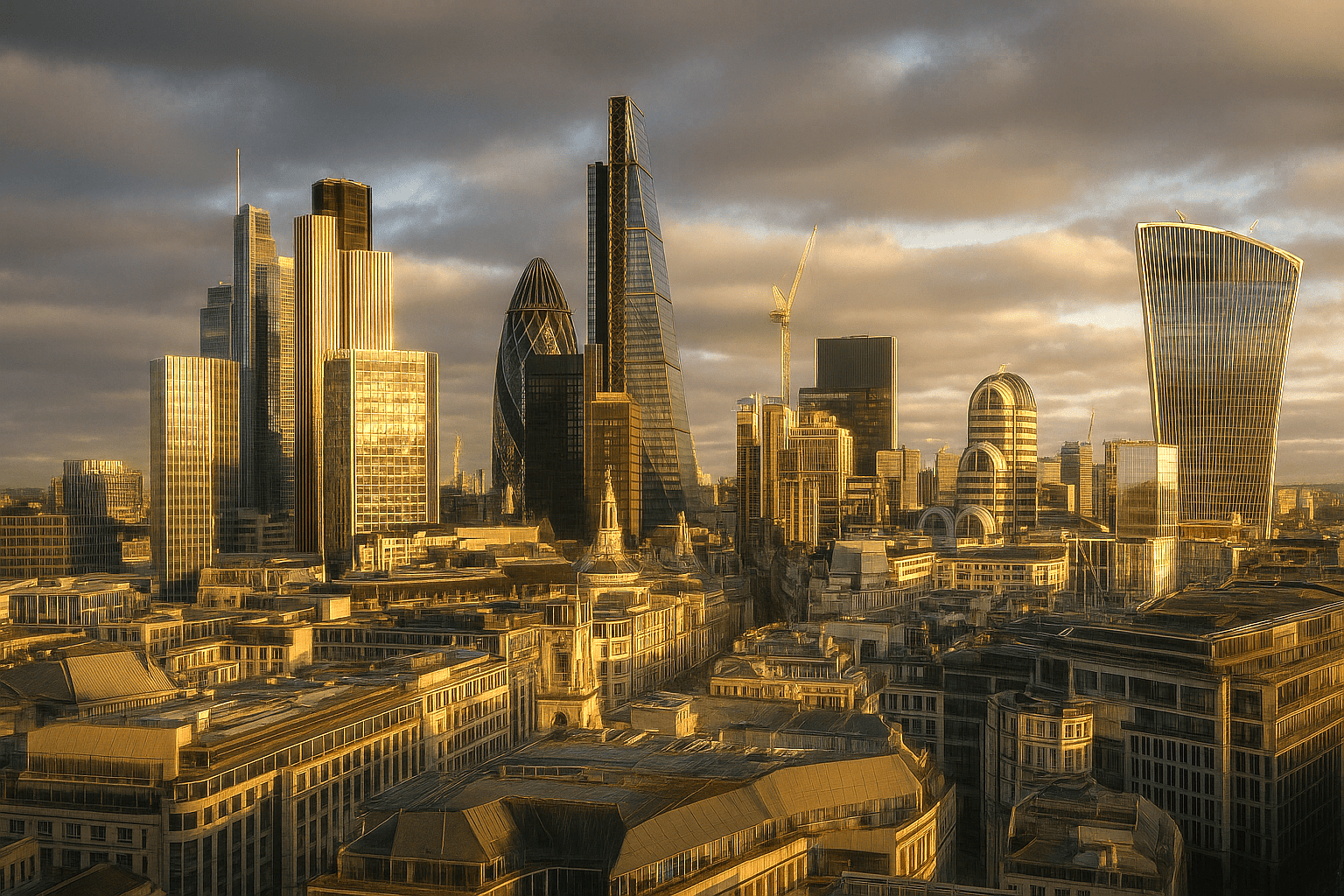
The City of London is preparing for one of the most ambitious transformations in its modern history. By 2040, the Corporation plans to deliver an additional one million square metres of new and refurbished office space. This bold vision will redefine how businesses operate, how people experience work, and how the capital aligns commercial growth with environmental responsibility.
London’s office market is entering a new phase shaped by sustainability, flexible working, and technological innovation. From refurbished heritage buildings to newly designed skyscrapers, the focus is shifting from sheer capacity to quality, adaptability, and design excellence. The 2040 vision shows that London intends to remain at the forefront of the global business landscape.
Why London Needs One Million Square Metres of New Office Space
This long-term plan responds to changes in how businesses use office space after the pandemic. Hybrid working has altered demand, but it has not diminished the value of a physical workspace. Modern companies are seeking offices that inspire collaboration, promote wellbeing, and support sustainable operations.
Many existing buildings in the Square Mile were constructed decades ago and no longer meet the standards required by modern occupiers. Rather than rely solely on new construction, London’s strategy promotes a balance of refurbishment and redevelopment. This approach reduces carbon emissions while extending the life of existing assets.
The target of one million square metres will be achieved through:
- Comprehensive refurbishment of older buildings to meet energy efficiency standards
- Development of Grade A office buildings that integrate technology and sustainability
- Creation of mixed-use districts that combine workspace, leisure, and residential areas
By 2040, London will have an office portfolio that blends tradition and innovation, reflecting the evolving needs of global business.
The Rise of Broadgate and Liverpool Street
Among the districts shaping this transformation, Broadgate and Liverpool Street stand out as central to London’s commercial evolution. Once defined by post-war concrete developments, Broadgate is now emerging as a vibrant hub of financial, professional, and technology firms.
Recent planning documents identify this area as a designated tall building zone, encouraging developers to reimagine its skyline. New towers such as 130 Fenchurch Street and 1 Undershaft are redefining the architectural character of the eastern City. Many of these schemes incorporate public gardens, open spaces, and cafés at height, creating places where the public and business community can connect.
Liverpool Street Station, one of London’s busiest transport hubs, anchors this transformation. The district’s connectivity to the Elizabeth Line and major underground routes makes it an ideal location for occupiers prioritising accessibility. The integration of modern offices with public amenities will enhance both the working experience and the city’s long-term appeal to international tenants.
Serviced and Traditional Offices in London
The London office market has evolved into a diverse ecosystem of leasing models. Serviced offices offer fully equipped workspaces with flexible terms, enabling companies to move in immediately without capital expenditure. They include furniture, meeting rooms, broadband, and reception services, all consolidated into a single monthly payment.
Traditional offices, by contrast, operate on longer leases and give tenants complete control over fit-out, design, and ongoing management. They are ideal for businesses seeking a permanent base and brand customisation.
In recent years, a new model has emerged between the two: the managed or flexible office. These spaces provide private suites with shared amenities, balancing independence with convenience. This blend of flexibility and control is becoming increasingly popular among companies responding to uncertain market conditions.
Cost of Office Space in Central London
Office costs across central London vary by location, quality, and lease structure. Grade A office space typically ranges from £85 to £95 per square foot per year, reflecting high-quality finishes, energy efficiency, and modern infrastructure.
Prime districts such as Mayfair, St James’s, and Soho command premium rates due to prestige and limited availability. In contrast, the City of London offers exceptional value for businesses that prioritise transport connections and professional clustering.
New towers in Broadgate and Moorgate are expected to sit at the upper end of this range due to their smart systems, energy performance, and high-end amenities. As sustainability becomes central to valuation, energy-efficient buildings are projected to achieve higher occupancy and retain premium rental values through 2040.
Factors Affecting Office Cost in London
The cost of an office in London depends on multiple variables. Understanding these helps tenants make better decisions and align budget with business strategy.
- Location – Proximity to key transport links such as Bank, Moorgate, and Liverpool Street increases demand and rental rates.
- Building Grade – Grade A offices offer superior finishes, natural light, and advanced technology.
- Size and Layout – Larger floorplates may reduce average cost per square foot, but bespoke layouts and fit-outs can increase setup costs.
- Lease Type – Serviced, managed, or traditional leases all have different financial structures.
- Amenities – Shared meeting rooms, lounges, and fitness areas contribute to total value.
- Energy Performance – Efficient buildings lower operational costs and attract long-term tenants.
What to Look for in a Private Office
When choosing a private office in London, companies should evaluate far more than location and size. The key is to find a workspace that supports productivity, flexibility, and brand identity.
Essential factors include:
- Design Flexibility – Space that can adapt to changing team sizes or new work models.
- Technology – Fast connectivity, smart building systems, and robust security.
- Sustainability – High energy ratings and materials that align with environmental policies.
- Comfort and Wellbeing – Natural light, temperature control, and green spaces.
- Accessibility – Easy connections to underground, national rail, and the Elizabeth Line.
A well-chosen office improves employee retention, enhances brand perception, and contributes directly to business performance.
Sustainability and Retrofitting
Sustainability sits at the core of London’s 2040 vision. Retrofitting existing buildings reduces waste, preserves heritage, and aligns with the city’s carbon reduction goals. Many older structures are being transformed into modern workplaces while retaining their façades and cultural significance.
This trend not only improves environmental outcomes but also provides occupiers with character-rich offices that differ from standard glass towers. Modernisation includes new air systems, LED lighting, improved insulation, and digital monitoring tools that reduce energy usage.
The City’s planning committee encourages developers to meet stringent environmental benchmarks, ensuring that every new project contributes to a greener, cleaner urban environment.
The Changing Skyline: Skyscrapers and Innovation
London’s skyline is evolving rapidly. The next generation of skyscrapers is not simply about height but about integration with public life and community value.
Towers such as 1 Undershaft and new Broadgate projects include observation decks, rooftop gardens, and restaurants open to the public. These features transform high-rise buildings into destinations rather than closed corporate spaces.
Heritage protection remains a guiding principle. View corridors around landmarks like St Paul’s Cathedral and the Tower of London are preserved through precise planning controls. This ensures that London’s modern skyline remains compatible with its historic character.
By 2040, the City is expected to host a balanced blend of new towers, revitalised mid-rise offices, and repurposed heritage sites, creating an environment that is efficient, beautiful, and inclusive.
Flexible Offices and the Future of Work
Flexible office space has become one of the most significant forces reshaping the London market. Companies no longer need vast floorplates or decades-long leases. Instead, they prefer smaller, high-quality spaces with shared amenities and short-term flexibility.
Developers are responding by designing buildings that can accommodate multiple occupancy models. Floorplates are modular, allowing serviced or managed operators to take partial levels while larger tenants occupy full floors. Shared meeting areas and wellness facilities reduce duplication and create a sense of community within each building.
The demand for flexibility reflects a cultural shift. Offices are now seen as collaborative hubs where teams gather purposefully rather than as obligatory workplaces. This evolution will continue as technology enables remote work, and buildings adapt to offer experience-driven environments.
A City Built for the Future
London’s 2040 plan to deliver one million square metres of new and refurbished office space marks a pivotal moment in its evolution. The combination of modern skyscrapers, upgraded heritage buildings, and mixed-use precincts will secure the capital’s status as one of the most dynamic business environments in the world.
By embracing sustainability, design innovation, and flexible occupancy, the City of London is creating a resilient ecosystem for businesses of every scale. From the towers rising in Broadgate to the restored landmarks around Bank and Moorgate, the future of work in London is being built today.
For companies planning to establish or relocate their presence in the capital, now is the time to prepare. The market is evolving fast, and opportunities are emerging in districts that blend history with innovation. City Hub Offices provides direct access to a curated selection of flexible, serviced, and managed offices across London, connecting businesses to the spaces that define the future of work.